
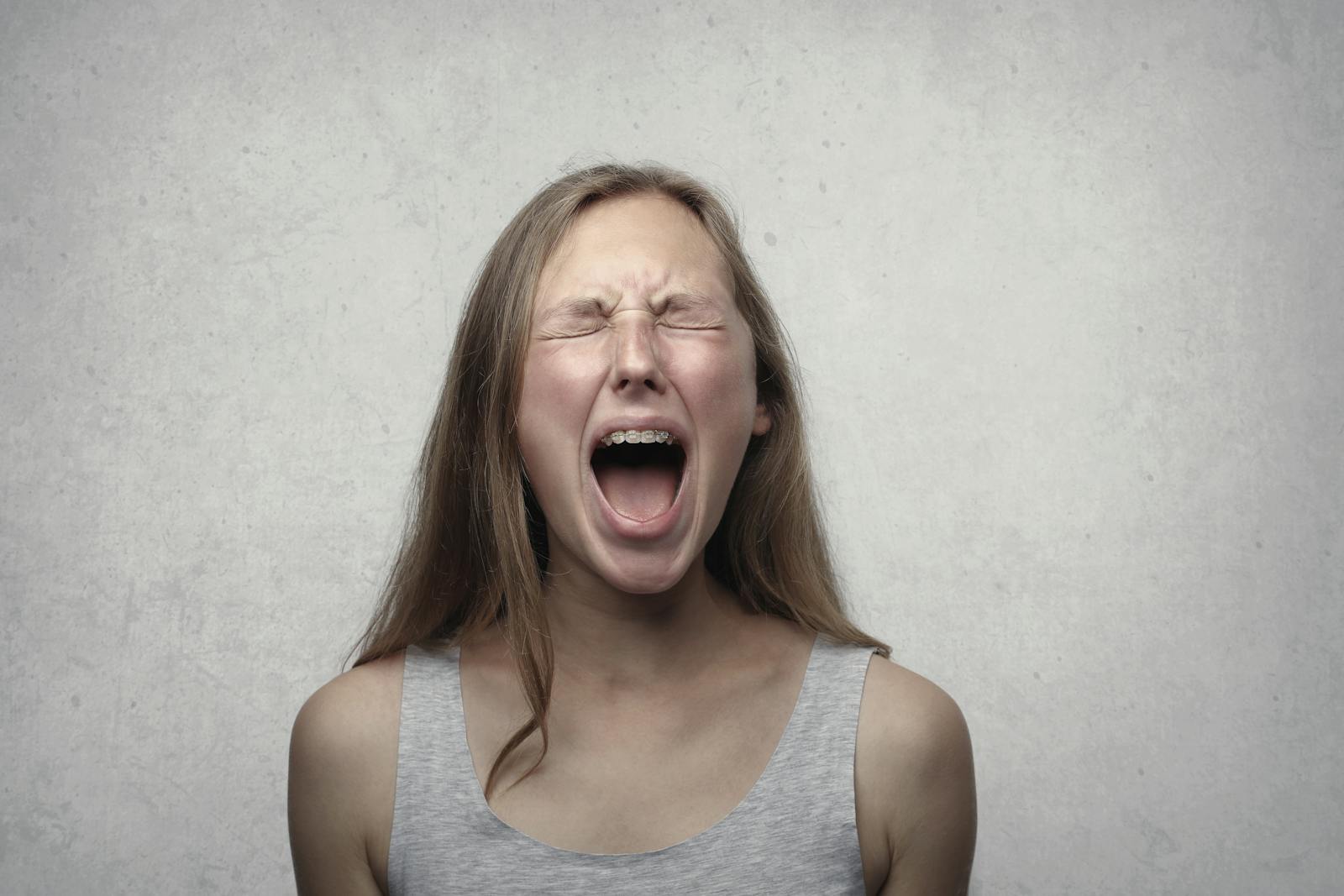
Most parents who yell don’t think of themselves as angry people. They are tired people who have asked the same thing seventeen times, heard nothing back, and then hit a wall. They tried calm. They tried firm. They tried cheerful. Then they snapped. If you want to stop yelling at your kids, the problem is almost never your temper. It’s usually a system problem, or the absence of one entirely. Here’s what actually helps.
Why the Yelling Happens
Yelling is rarely about the thing that triggered it. The shoes left by the door, the fourth reminder to start homework, the argument about getting off a gaming session. These are the final straw, not the load. The actual drivers almost always sit underneath:
- Cumulative stress. You’ve been holding it together all day. The moment you walk in the door, your capacity to regulate is already thin. The smallest thing tips it.
- The sense of not being heard. When kids repeatedly ignore requests, the brain reads it as a loss of control. Yelling is a hard reset. Short-term, it works. That’s part of the problem.
- No planned response. When a situation escalates and you don’t have a prepared way to handle it, the nervous system reaches for what it knows. Loudness is instinctive.
- Physical state. Hungry, tired, or overstimulated parents have a lower frustration threshold. This is not weakness. It is basic biology.
Understanding why it happens matters because the fix depends on the cause. If the problem is cumulative stress, a new script won’t do much on its own. If it’s a lack of a prepared response, the script is exactly what you need. Most parents are dealing with both at once.
What Yelling Does to the Long Game
In the short term, yelling often works. The behaviour stops. The child complies. That’s the trap. The short-term payoff reinforces the behaviour for you, not just your child.
Over time, three things happen that work against you:
- It raises the baseline. Kids habituate to volume. The yelling that got a response six months ago barely registers now. You end up louder than you intended, more often than you planned, to get the same result.
- It models what you’re trying to correct. If you’re asking your child to manage frustration calmly, yelling at them when you’re frustrated sends the opposite instruction. Kids learn from what you do under pressure, not what you say when things are fine.
- It buries the real issue. Once the yelling starts, the conversation is no longer about the shoes or the homework. It’s about your yelling. The original behaviour gets lost, and nothing actually gets resolved.
None of this is to make you feel guilty. It’s to explain why yelling tends to make the underlying problems worse over time. The cycle is breakable. But it takes more than just trying harder in the same moment that doesn’t work.
How to Stop Yelling at Your Kids: The Pause
The most practical thing you can do is install a pause between the trigger and your response. This sounds straightforward. It is not easy, especially when you’re already close to the edge. Here is how to actually build it.
The three-second count. When you feel the heat rising, tightness in the chest, a shortening in your breath, that specific surge of frustration, count three seconds silently before you speak. Not to calm yourself completely. Just to interrupt the automatic response. That gap is enough to choose a different path.
The walk-away. For older kids, it is entirely reasonable to say “I need a minute” and leave the room. This is not avoidance. It is exactly what you would want your child to do when they are overwhelmed. You come back two minutes later. The problem is still there, but you are not in a state that makes it worse. Practise saying the phrase calmly, before you need it.
The code phrase. Some families use a specific phrase as a signal that this situation is different from the previous six requests. Something that tells the child this is serious, without requiring volume to make the point. “I need you to stop and hear me now” is one option. “This is important” is another. The phrase only works if the child understands what it means. Talk about it when things are calm.
The pause needs to be practised when you are calm, not just deployed when you’re not. Talk to your child about what you are doing and why. “When I say I need a minute, I’m going to step out for a bit. I’ll be back. That’s not me being angry. That’s me making sure we can actually sort this out.” Most kids respond surprisingly well to that kind of honesty.
What to Say Instead of Yelling
A lot of yelling happens because parents run out of words. They’ve asked, reminded, warned, and threatened. Nothing worked. Yelling starts to feel like the only remaining option. It isn’t. Here are specific phrases for the most common flashpoints:
When you’ve been ignored. Get closer instead of louder. Crouch to their level, make eye contact, and say: “I need you to stop what you’re doing and look at me. Thank you. Here’s what needs to happen.” The physical proximity does more than volume ever will.
When you’re close to the edge. Say it directly: “I’m finding this really hard right now. I’m going to take a breath, and then we’re going to sort this out.” Naming your state out loud signals to your child that this is real, and it buys you the beat you need.
When a consequence needs to follow. “That’s not what we agreed. Here’s what happens now.” Then follow through on whatever consequence was already in place. No lecture required. The less you say, the more effective the consequence tends to be.
When the argument keeps going in circles. “I’ve heard you. My answer is still no. This conversation is done.” Then stop engaging. The escalation usually comes from continuing to debate, not from the original disagreement itself.
None of these will land perfectly the first time if yelling has been the pattern. Your child is used to a certain dynamic. Changing it takes consistency, not perfection.
After You’ve Already Yelled
If you are working on yelling less and you yell anyway, you have not failed. You have had a hard moment. What you do next shapes the relationship more than the yelling itself.
Apologise briefly and directly. “I shouldn’t have yelled. I was frustrated and I lost it. That’s on me.” That is enough. A long, elaborate apology shifts the burden to the child. They end up managing your guilt rather than processing the situation. Short and direct is kinder.
Don’t explain it away inside the apology. “I was exhausted” or “you kept ignoring me” might be true, and they can come up later as context. But not inside the apology itself. The apology stands on its own first.
Come back to the original issue. Once things are calm, come back to whatever triggered it. “Earlier I asked you to put your bag away and it turned into a yelling match. I still need you to do that. Can we sort it out now?” This matters. It shows the expectation has not disappeared. It was just handled badly.
Notice if the same trigger keeps coming up. A recurring argument about the same situation is a system problem, not a self-control problem. The solution is a better system, not more willpower applied to the same conditions that don’t work. Something upstream needs to change.
Practical Takeaway This Week
Pick one situation. One specific flashpoint that reliably leads to yelling. Not the whole pattern. Just one moment. Write down what triggers it, what you usually do, and what you are going to try instead.
If it’s the morning routine that spirals before school, the plan might be: bags packed the night before, a slightly earlier alarm, and a code phrase ready for when things start to tip. Tell your child the plan. Make it specific enough that you both know exactly what is supposed to happen.
You won’t get it right every time. Getting it right most of the time in that one situation is a genuine improvement. Start there. One thing, handled differently most of the time, is the entire method.
For personalised guidance on managing yelling and building calmer responses at home, try Cleo free at lifereadyparenting.com/ask-cleo.