
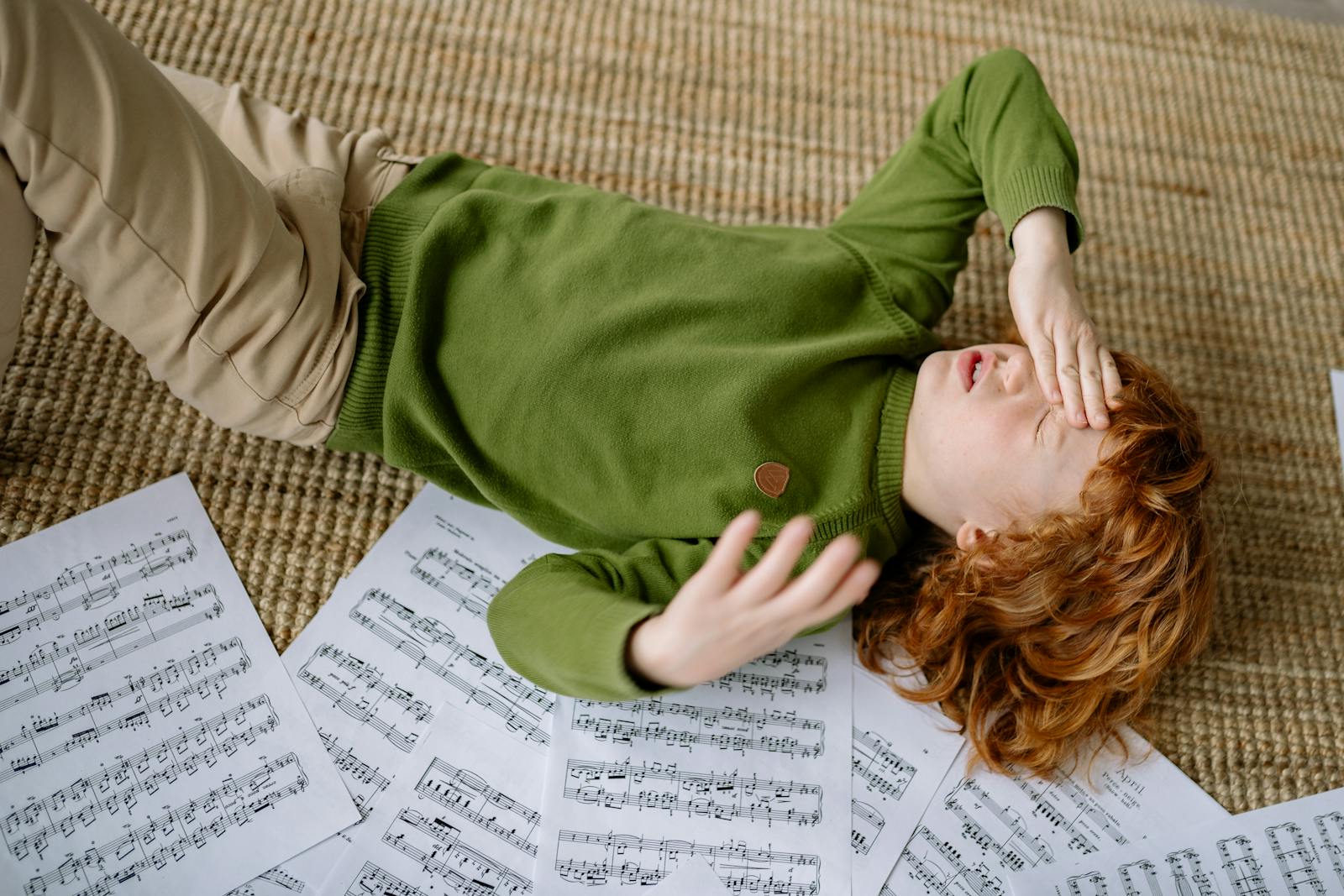
Why Telling Your Child to Calm Down Makes It Worse
If you have ever told a distressed child to calm down and watched the situation immediately escalate, you have experienced this firsthand. It seems logical — you want them calmer, you tell them to be calmer. But “calm down” is one of the least effective things you can say during a meltdown. Here is why, and what to do instead.
The Physiology of Why It Fails
When your child is in the middle of a meltdown, their stress response system has activated. Their body is flooded with cortisol and adrenaline. Their heart rate is elevated, their muscles are tense, and their thinking brain — the prefrontal cortex — is significantly offline.
Calming down requires a functioning thinking brain. It requires noticing the current state, deciding to change it, and applying a strategy. None of those steps are available when the stress response is at full activation. “Calm down” is an instruction to do something the child is physiologically incapable of doing on command in that moment.
The instruction also adds something to the existing emotional load: the implication that what they are feeling is wrong, that they should not be feeling it, that they need to stop. That added layer of judgment typically increases distress rather than reducing it.
What Happens When You Say It
Most children respond to “calm down” with one of three things: escalation (they become more dysregulated because they feel dismissed), shutdown (they suppress the emotion rather than regulate it, which typically means it surfaces later), or compliance without actual regulation (they become quiet but are still internally at high intensity).
None of these are the outcome you are looking for. The first makes things immediately worse. The second and third delay the problem without addressing it.
Why “Calm Down” Is Such an Automatic Phrase
One of the reasons “calm down” is so stubbornly hard to remove from your vocabulary is that it is usually not a considered choice. It is an automatic, reflexive response to a nervous system being pushed past its comfort zone. Most parents say it dozens of times before they ever consciously notice they said it. That is worth knowing, because it means removing it is not about trying harder in the moment — it is about interrupting a reflex, which takes a different kind of practice.
The most effective way to interrupt the reflex is to pair the noticing with a replacement phrase that can take its place. “You are really upset right now” is not just better than “calm down” — it is a specific substitute that the brain can reach for instead. The first few times, the new phrase will feel slightly clunky, and “calm down” will still try to slip out. Within a couple of weeks of deliberate practice, most parents find the substitution has become the new reflex, and the old one has lost most of its grip.
What to Say Instead
Name what you see. One calm, short sentence that acknowledges the emotional state without judging it. “You are really upset right now.” “I can see how frustrated you are.” “That felt really unfair.”
This is fundamentally different from “calm down” in two ways. It acknowledges the feeling as valid rather than asking the child to change it immediately. And it requires nothing of the child in that moment — it is an observation, not an instruction.
Named feelings lose intensity. The act of hearing your feeling named by a calm person who is staying with you — not leaving, not judging, not demanding a different response — is what activates the return to regulation. It is not magic and it is not immediate, but it works in a way that “calm down” does not.
The Role of Your Own State
The reason “calm down” gets said so often is that parents are also escalating. When you are frustrated, overwhelmed, or embarrassed by your child’s behaviour, “calm down” is a natural expression of your own need for the situation to change immediately.
The most effective thing you can do in the moment is regulate yourself first. Slow breath. Drop shoulders. Lower your voice before you speak — the act of consciously lowering your voice changes your own physiological state as much as it affects your child. When you are calmer, the right words come more naturally and the wrong ones are less likely to escape.
The Variants That Are Just as Unhelpful
“Calm down” has several cousins that land the same way and should be noticed for the same reason. “Relax.” “Chill out.” “Stop overreacting.” “It’s not a big deal.” “You’re being ridiculous.” Each of these communicates the same underlying message: what you are feeling is wrong, and the solution is to stop feeling it. Each of them adds shame on top of the existing emotional load. Each of them tends to extend the episode rather than shorten it.
This does not mean feelings should never be put into perspective. It means perspective conversations happen when the child is calm, not at the peak of the stress response. A five-minute conversation the next morning about “do you think that was as bad as it felt in the moment?” can be genuinely useful. The same question shouted during the meltdown itself is heard as dismissal. Timing is most of the difference between a helpful observation and a harmful one.
What to Watch for in Yourself
For parents who grew up being told to calm down themselves, removing the phrase can feel surprisingly difficult. It is the language that was modelled. The body remembers it. Saying something different can feel like being a soft parent, or like making too big a deal of normal feelings. Both of those are usually old training talking, not your actual current values.
It can help to notice, gently and without self-criticism, that you are trying to do something slightly different from what was done with you. That small acknowledgement often reduces the internal resistance to the new approach. Your child does not need you to be perfect. They need you to be trying, and to be willing to repair when the old language slips out anyway. That willingness is itself part of what you are teaching them.
The Small Reframe That Helps in the Moment
A useful small reframe that many parents find helpful is this: instead of “how do I get them to calm down,” ask “how do I not make it worse.” The first question puts the pressure on changing the child’s state, which mostly you cannot do directly. The second question puts the focus on what you can actually control, which is your own contribution to the moment. A parent who simply does not escalate usually finds that the meltdown arc shortens significantly on its own, without any active calming required. That is often enough.
Your Practical Takeaway
Remove “calm down” from your meltdown vocabulary this week. Replace it with one sentence: “You are really [upset/angry/frustrated] right now.” Say it once, calmly, and then stop talking. Notice what happens. Most parents find the arc of the episode shortens when they switch from instruction to acknowledgement.
For personalised guidance on managing your child’s meltdowns, try Cleo free at lifereadyparenting.com/ask-cleo.