How to Raise a Child Who Takes Responsibility
Responsibility is not a personality trait some children have and others lack. It is a skill built through experience – specifically through being given things to own, being held to expectations, and experiencing the real consequences of following through or not. Here is how to build it deliberately.
What Responsibility Actually Looks Like
A responsible child manages their commitments without constant reminding, acknowledges when they have made a mistake rather than deflecting, and adjusts their behaviour based on consequences. That is the full picture. Most conversations about responsibility focus only on the first part – following through on tasks. The second and third – ownership of mistakes and learning from consequences – are equally important.
Give Them Something Real to Own
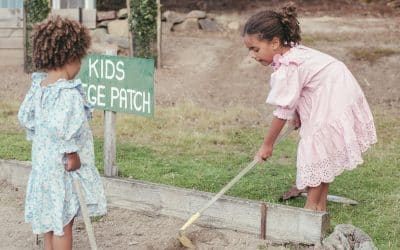
Responsibility starts with ownership. A child who is responsible for something specific – a household task, a pet, their own organisation – develops the habit of attending to it because it is genuinely theirs. The task does not need to be large. A child who reliably feeds the dog every morning without being reminded is practising responsibility in a real and meaningful way.
Stop Over-Managing
The most common obstacle to building responsibility is over-management. When parents remind, prompt, supervise, and rescue consistently, children do not develop the internal system they need. The parent is functioning as the child’s executive function – doing the monitoring and follow-through that the child should gradually be doing for themselves.
The shift from managed to self-managed is gradual and requires parents to intentionally step back. That means watching things not get done sometimes. That discomfort is the price of building real responsibility.
Let Natural Consequences Do the Teaching
The most powerful teacher of responsibility is what happens when you do not act on it. A child who forgets their lunch and goes hungry at school learns something about preparation that no amount of reminding will teach. A child who does not feed the pet and has to deal with a distressed animal experiences the real impact of not following through.
Your job is to let those consequences land rather than rescuing your child from them. That is the most direct path to genuine responsibility.
Acknowledge It When You See It
When your child demonstrates responsibility – remembered something without being told, followed through on a commitment, fixed a mistake they made – notice it and name it specifically. “You remembered to feed the dog every day this week without me saying anything. That is what reliable looks like.” That specific acknowledgement builds the identity: I am someone who follows through.
Your Practical Takeaway
This week, identify one thing your child is capable of owning completely and hand it to them fully. Give the instructions once. Then step back. If they drop the ball, let the natural consequence do the teaching. That one experience is worth more than a month of reminders.
For personalised guidance on building responsibility in your child, try Cleo free at lifereadyparenting.com/ask-cleo.