
Should Kids Learn to Code? The Honest Answer
The question of whether kids should learn to code comes up constantly in conversations about future-proofing children’s education. The answer is nuanced – and more honest than the “coding is the new literacy” narrative suggests. Here is what is actually worth knowing, without the hype or the dismissal.
Where the “New Literacy” Framing Falls Short
The argument that coding is a basic literacy everyone needs has a surface appeal. It is also a significant overstatement. Literacy – reading and writing – is a tool most people use every single day, in nearly every domain of life. Coding is not. Most adults, including highly educated ones in technical fields, do not write code. They use the outputs of people who do.
That does not mean coding is unimportant. It means the framing matters. “Everyone should be exposed to coding” is a defensible claim. “Coding is as essential as reading” is not. Parents making decisions about their child’s time should start from the defensible claim, not the overstatement.
Coding Is a Tool, Not a Universal Requirement
Not every child will grow up to be a software developer, and the idea that coding is essential for every future career is an overstatement. The skills that underpin coding – logical thinking, breaking problems into steps, understanding systems, debugging errors – are genuinely valuable. Coding itself is one way to develop those skills, but not the only way.
A child who loves coding and wants to pursue it should absolutely be encouraged and supported. A child who finds it deeply uninteresting is not missing something essential – they can develop the same underlying cognitive skills through mathematics, chess, engineering, or many other structured problem-solving activities.
What Coding Actually Teaches
When coding education works well, it develops: logical sequencing – understanding that instructions must be precise and in the right order. Debugging – the ability to find errors systematically and correct them. Abstraction – breaking a complex problem into smaller, manageable components. Persistence – getting something to work often requires multiple attempts and tolerance for frustration.
These are genuinely useful cognitive skills. They are not exclusively produced by coding, but coding is a reliable path to them for children who engage with it. The persistence piece in particular is valuable – few activities give such immediate feedback that something is wrong and demand calm, systematic correction. A child who learns to debug code learns a mental posture that transfers.
What Coding Does Not Teach
Worth being clear about what coding does not automatically produce. It does not develop communication skills, emotional intelligence, or genuine creativity in isolation. A child who codes a lot but reads little, talks little, and plays little is not being rounded out – they are being narrowed. The best outcomes happen when coding is one of several rich activities, not the only one.
It is also not a guaranteed path to any specific career. The software industry changes fast. The specific languages taught today may not be the ones in demand in ten years. What persists is the underlying thinking. Parents who treat coding as a career-guarantee sometimes push a reluctant child into it and produce resentment rather than capability.
What Age to Start
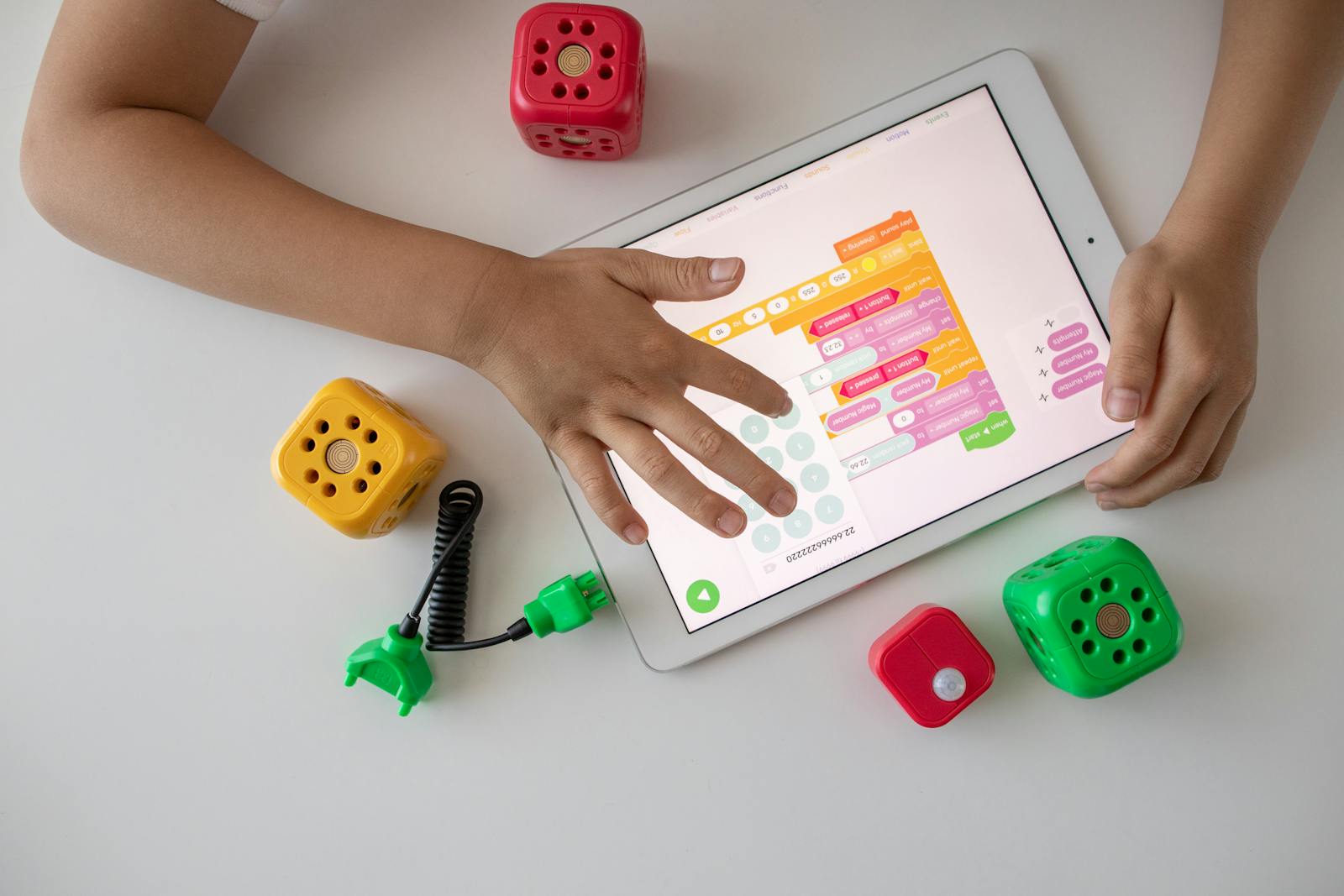
Coding concepts can be introduced from around age 7-8 through visual programming environments that use block-based logic rather than syntax. Scratch is the most widely used example. From around age 10-11, children who are interested can begin to engage with text-based coding languages. Python is widely recommended for beginners because of its readable syntax.
Starting too early – before a child has the abstract thinking capacity to engage meaningfully – often produces frustration rather than enthusiasm. Let readiness guide timing more than age. If a child is not ready, pushing produces aversion. If they are ready, they will usually engage without much prompting once they see what it can do.
Should It Be Compulsory?
Exposure is valuable. Compulsion is counterproductive. A child who is introduced to coding in a low-pressure, engaging context and finds it interesting will pursue it. A child who is forced through coding they find boring and incomprehensible will develop an aversion to it. The goal is to open the door, not to push everyone through it.
This applies at the school level as much as the home level. A required module of coding that gives every child a taste, without grading them harshly on it, is reasonable. A heavy, high-stakes coding requirement for every child regardless of interest is counterproductive. The child who dislikes coding but has been made to feel inadequate in it often stops exploring anything that looks technical for years after.
How to Offer It Without Pressure
The practical approach for most families: set up a coding environment like Scratch on a device, show your child how it works once, and leave it available. If they come back to it, support them. If they do not, do not push. Some children love it immediately. Some try it, move on, and return a year later. Some never engage with it. All of those outcomes are fine.
The trap to avoid is making coding a test of something bigger – your child’s intelligence, their future prospects, their worthiness as a modern learner. It is none of those things. It is a skill some children love and some do not. Treat it that way.
If They Do Engage: What Helps
For children who take to coding, a few things support sustained engagement. Real projects – building something that matters to them, not just completing exercises. A community – a class, a club, or a parent who codes alongside them. Tolerance for mess – early projects will not be polished, and that is fine. Time – meaningful coding skill takes years, not weeks. Rushing it produces thin, fragile skill.
Watch for the Trap of Passive Consumption
One trap worth flagging. Many children who say they like “coding” are actually consuming coding-themed content – watching tutorials, browsing forums, watching others build things on YouTube. Consumption is not the same as creation. A child who spends hours watching coding videos but does not build their own projects is not learning to code. They are learning to watch coding.
The signal that real engagement is happening is project output. Even small, ugly projects – a personal game, a script that does something simple, a basic website – count. The making is the learning. If your child says they love coding but is not making anything, gently redirect toward making rather than watching. The shift, if they take it, produces real skill quickly.
One simple test: ask them to show you something they have built in the last month. Not show you a video they watched. Something they made themselves, however rough. If they can, the engagement is real. If they cannot, what they have is interest in the topic – which is fine, but it is not the same as building skill.
Your Practical Takeaway
If your child has not tried coding and is curious, start with Scratch – it is free, browser-based, and genuinely engaging for most 8-12 year olds. Sit alongside them for the first session to help with setup. Then step back. If they keep going back to it independently, that is meaningful signal. If they do not, that is also fine information. Either way, you have done your part.
For personalised guidance on technology education for your child, try Cleo free at lifereadyparenting.com/ask-cleo.